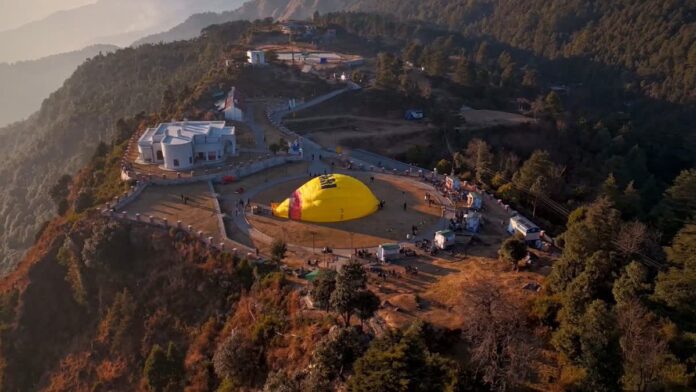
Nainital: In a landmark ruling, the Uttarakhand High Court has declared that any form of toll collection on public roads is illegal, specifically addressing a public interest litigation (PIL) related to Mussoorie’s George Everest Estate. The court has converted its interim order from March 7, 2025, into a final directive, allowing unrestricted access to the track routes and common pathways at the site. No individual will now be compelled to pay fees for using public roads.
This decision also provides significant relief to the Tourism Department amid controversies surrounding the development of George Everest as a tourism destination. The High Court invalidated only the toll collection aspect while dismissing other concerns raised about the project. In its order, the Nainital High Court not only disposed of the petition but also directed that no further disputes be raised on this matter.
The bench, comprising Chief Justice G. Narendra and Justice Subhash Upadhyay, passed this order on January 6. The PIL was filed by local resident Vinita Negi, who alleged that the Tourism Department had handed over the multi-crore estate to a private company at undervalued rates in violation of rules. The private contractor was accused of illegally collecting road tolls from locals and tourists by installing barriers on the common park estate road.
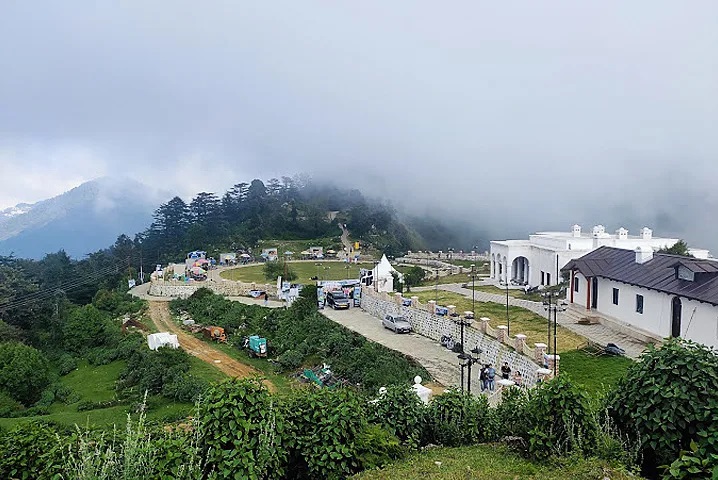
Upholding its interim order as final, the High Court stated, “No toll can be collected for traversing public roads. Entry fees for George Everest Park are a separate matter, but imposing charges via barriers on the road is unjust.” The court clarified that the prescribed entry fee for the park remains valid and is being collected in accordance with rules and conditions. However, the eighth respondent (private operator) has been restrained from collecting tolls from locals or the general public. The court emphasized that this order does not make park entry entirely free but solely prohibits tolls on the road.
Furthermore, the court observed, “No further hearing is required on this writ petition. The interim order of March 17, 2025, can be confirmed for disposal, under which respondents were restrained from imposing or collecting any toll fees from tourists or locals who merely wish to use that road.”
The court noted that the project contract was awarded in 2022 and formalized in 2023, yet the petition was filed in 2025. Despite the delay, the court heard the case in the interest of public welfare. Issues raised in the petition, such as the helipad, air safari, proximity to wildlife sanctuaries, environmental clearances, and local participation, were not substantiated through judicial scrutiny. After hearing all parties, the High Court dismissed the petition, incorporating the prior order into the record and closing the case.
During the hearing, the private respondent’s counsel argued that the barriers were installed solely for traffic control, not toll collection. The court ruled that no separate consideration was needed for this claim post the final order.
This verdict brings substantial relief to local residents and tourists visiting Mussoorie. Individuals are no longer obligated to pay for using public roads. The High Court’s message is clear: Infringement on public rights in the name of tourism development is unacceptable.