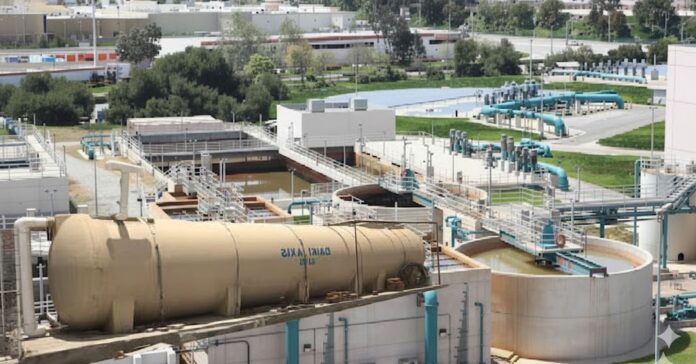
Rishikesh: In a significant step to prevent pollution in the Ganga, Japanese Johkasou technology is set to be deployed in Uttarakhand. This cost-effective and sustainable decentralized wastewater treatment system will be implemented as a model project in the Dhalwala area of Rishikesh. The Central Government has already granted approval under the Namami Gange programme, and the process for obtaining No Objection Certificate (NOC) from the Forest Department is currently underway.
Despite various efforts, Rishikesh’s sewerage system remains incompletely organized. Untreated wastewater from unplanned colonies continues to flow into the Ganga through tributaries, exacerbating pollution in the holy river. This issue extends beyond Rishikesh to many hilly regions of Uttarakhand, where centralized sewerage infrastructure is inadequate or non-existent. Scientists have repeatedly warned that continued discharge of untreated domestic and commercial wastewater could lead to severe groundwater contamination in the coming years.
Unplanned colonies and unauthorized constructions pose a major challenge. Despite anti-encroachment drives by authorities and flagship initiatives like Namami Gange, many settlements continue to expand haphazardly, hindering comprehensive river cleaning efforts.
To address this crisis, the Japanese Johkasou (purification tank) technology is being introduced. Developed in Japan since the 1970s by companies like Daiki Axis, it is a compact, on-site decentralized sewage treatment plant (STP) that treats wastewater biologically at the source using processes such as anaerobic filtration, contact aeration, and disinfection. It effectively removes BOD (Biochemical Oxygen Demand), organic/inorganic pollutants, and harmful bacteria, producing high-quality treated water suitable for discharge or reuse. Johkasou systems are low-maintenance, energy-efficient, and ideal for areas lacking centralized sewer networks—perfect for hilly terrains and unplanned settlements in India.
In India, Daiki Axis India (a subsidiary of Japan’s Daiki Axis Co. Ltd.) manufactures these systems locally under the ‘Make in India’ initiative. A Memorandum of Cooperation (MoC) between Japan’s Ministry of the Environment and India’s National Mission for Clean Ganga (NMCG) has facilitated the integration of Johkasou into Namami Gange projects. Earlier implementations in Uttarakhand (starting around 2023–24) covered nine projects across Kumaon and Garhwal regions, demonstrating decentralized treatment for domestic wastewater.
The Dhalwala project in Rishikesh marks a key demonstration:
- Capacity: 300 KLD (kiloliters per day)
- Estimated Cost: Approximately ₹4 crore (including civil and mechanical works)
- Land Requirement: About 1,000 square yards
- Implementing Agency: Uttarakhand Peyjal Nigam (Uttarakhand Jal Nigam)
- Objective: Treat sewage from unplanned colonies, discharge treated clean water into the Chandrabhaga River (a tributary), which then flows into the Ganga.
According to SK Verma, Project Manager, Namami Gange Project: “The Dhalwala Johkasou project will have a treatment capacity of 300 KLD. Engineers from Japan will assist in operation and supervision. If successful, similar small, affordable portable STPs will be installed across the state. There is also potential to connect ashrams and hotels along the Ganga in Rishikesh to this technology.”
The project aligns with ongoing Namami Gange Phase-II efforts, which have operationalized several sewerage projects in Uttarakhand and other states by FY 2025–26. As of recent updates, Namami Gange has sanctioned hundreds of projects nationwide, with total STP capacity reaching thousands of MLD. Decentralized solutions like Johkasou complement larger centralized STPs (such as the 26 MLD at Lakkadghat and 7.5 MLD at Muni ki Reti in Rishikesh, using SBR and MBBR technologies).
IIT Roorkee researchers have endorsed Johkasou as suitable for Indian hilly regions, citing its adaptability and compliance with standards. If the Dhalwala model proves effective, it could become a blueprint for pollution abatement in similar ecologically sensitive areas, helping preserve groundwater, promote water recycling, and contribute to the long-term goal of a cleaner Ganga. This innovative approach underscores India’s commitment to blending global best practices with local needs under Namami Gange, aiming for sustainable river rejuvenation.