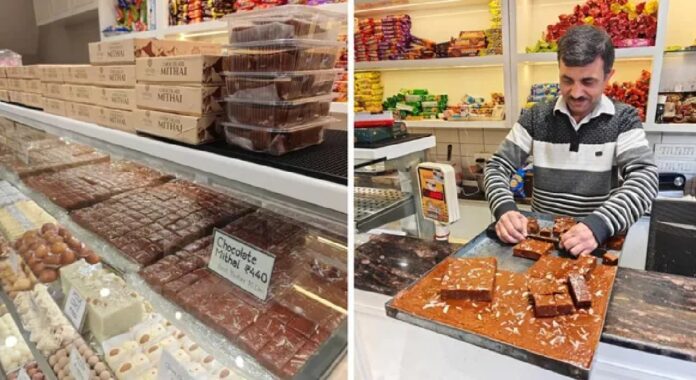
Lansdowne: Nestled in the serene cantonment town of Lansdowne, this quaint hill station is renowned not only for its colonial charm, pine-scented air, and panoramic Garhwal Himalayan views but also for a unique sweet treat that has stood the test of time for over 138 years—the iconic Lansdowne Chocolate Mithai.
Unlike conventional chocolate, this is a traditional milk-based fudge-like sweet made from khoya (mawa), sugar, and desi ghee. Its rich, caramelized chocolate-brown color and melt-in-the-mouth texture have made it an irresistible souvenir for almost every visitor. Rarely does a tourist leave Lansdowne without tasting or packing this delicacy.
The sweet enjoys cult status among locals, tourists, and especially the soldiers of the Garhwal Rifles Regiment, whose regimental centre is headquartered here. During passing-out parades, oath ceremonies, and regimental events, Garhwal Rifles personnel and families from across Garhwal districts share boxes of Lansdowne Chocolate as a symbol of joy and pride. Jawans on leave never forget to carry it home for their families.
According to Purushottam Mishra, manager of Mishra Sweets—one of the oldest and most popular shops in town—the craze remains undiminished even after more than a century. “Every tourist who comes for sightseeing ends up falling in love with the taste. Once they try it, they become fans,” he says.
The origin story of Lansdowne Chocolate is intertwined with the town’s British colonial history. Founded in 1887 and named after the then Viceroy of India, Lord Lansdowne, the town had no motorable roads in its early days. British officers, soldiers, and local residents traveled on foot for days.
In that era, conventional milk-based sweets like peda or barfi spoiled within two or three days during the arduous journeys. There was a need for a longer-lasting sweet—something that could remain fresh for at least 10–15 days while offering a distinct and delicious flavor.
Local halwais experimented by slow-cooking khoya, sugar, and ghee on a low flame for an extended period, constantly stirring the mixture in a kadhai. After prolonged cooking (around 40–45 minutes), the mixture transformed into a glossy, deep chocolate-brown hue. Inspired by the color, they named it simply “Chocolate.”
During the British period, the sweet became extremely popular among officers, who often presented it as gifts to their superiors. Recognizing the demand, the British encouraged local confectioners to produce it in larger quantities. Interestingly, at the time, Lansdowne Chocolate was preferred over Almora’s famous Bal Mithai, which was coated with sugar-coated poppy seeds (khuskhus) that made it overly sweet. The British favored the balanced sweetness and longer shelf life of Lansdowne’s version.
In earlier decades, surrounding villages practiced large-scale dairy farming, producing abundant milk and khoya. The rising demand for Chocolate Mithai boosted khoya sales, creating a mutually beneficial economy: villagers earned a steady livelihood selling khoya, while sweet shops enjoyed a reliable supply and strong business.
The preparation remains traditional even today. Khoya, sugar, and pure desi ghee are combined in precise proportions and slow-cooked with continuous stirring to prevent burning. The process takes 40–45 minutes on controlled heat until the mixture achieves its signature chocolate color and fudgy consistency. Some modern variants add roasted dry fruits (almonds, cashews, pistachios) for a premium “Dry Fruit Chocolate” version. A few shops also experiment with subtle additions like cocoa or coffee powder to enhance flavor, though purists stick to the classic recipe.
Despite competition from confectioners in nearby Kotdwar and other towns who now market their own versions under local brands, authentic Lansdowne Chocolate remains the gold standard. Tourists and locals unanimously agree that the original taste from Lansdowne shops is unmatched.
Priced affordably (around ₹380–450 per kg as of recent years), this simple three-ingredient sweet continues to be a symbol of Lansdowne’s heritage. It represents not just a culinary delight but a living link to the town’s colonial past, local economy, and unbreakable bond with the Garhwal Rifles.
So, the next time you visit the peaceful cantonment of Lansdowne, don’t miss the chance to savor—or take home—a piece of its timeless chocolate legacy. One bite, and you’ll understand why this sweet has survived 138 years and counting.